- Dubai has launched a AED 1 billion economic stimulus package starting April 2026
- The package includes fee deferrals and liquidity support across multiple sectors
- Hotels can defer 100 percent of sales fees and Tourism Dirham for three months
- Customs payment periods extended from 30 days to 90 days
- Residency processes have been streamlined to attract global talent
- Dubai GDP grew 6.4 percent in Q4 2025 and 5.4 percent for the full year
- Total GDP reached AED 937 billion
- A new GDP measurement system will improve economic accuracy and transparency
- The Virtual Warehouses Initiative removes duties on high value temporary imports such as artwork
- New strategies aim to improve workforce welfare and create long term employment opportunities
What does a government do when the global environment becomes uncertain?
Some wait. Some hesitate. Others act.
Dubai has chosen to act.
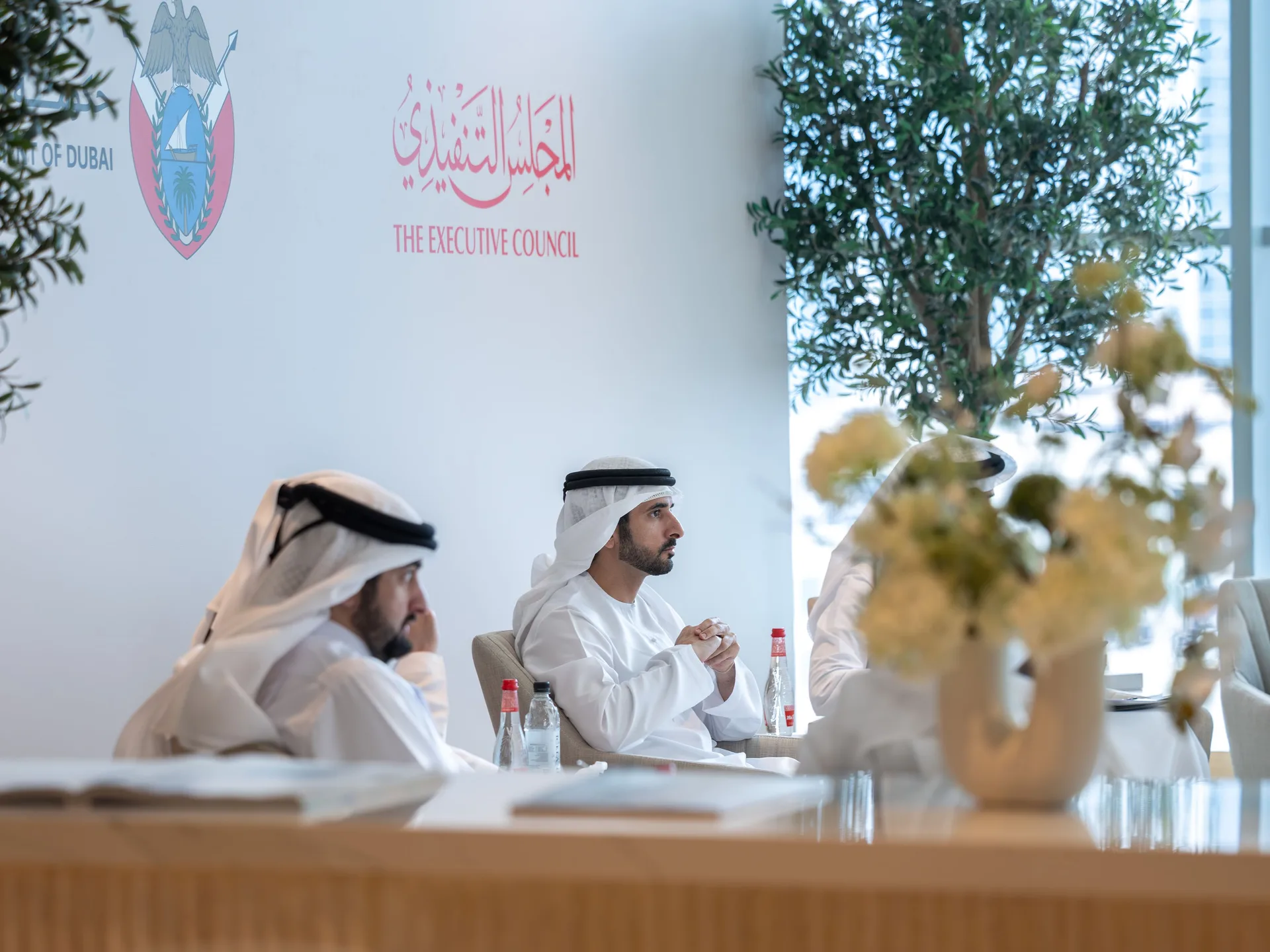
The approval of a AED 1 billion economic stimulus package is not just another policy announcement. It is a very deliberate signal to investors, businesses, and global capital that Dubai is not stepping back. It is stepping forward.
And if you are sitting overseas trying to make sense of the noise, this is the kind of move you pay attention to.
Let’s break down what is actually happening and, more importantly, what it means for you as an investor.
Short Term Support, Long Term Thinking
At first glance, the stimulus package looks like a straightforward relief measure.
Fee deferrals. Extended payment timelines. Support for hospitality. Easier residency processes.
But here’s the thing.
This is not just about easing pressure. It is about maintaining momentum.
By allowing businesses to hold onto cash for longer, Dubai is protecting liquidity across the system. That matters more than most people realise.
Liquidity keeps projects moving.
Liquidity keeps hiring active.
Liquidity keeps confidence intact.
And confidence is everything in real estate.
Why This Matters for Property Investors
Property markets do not operate in isolation. They sit on top of economic activity.
So when you see a government step in to support businesses, simplify processes, and extend financial flexibility, you are effectively looking at a stabilisation mechanism for demand.
Let’s be clear.
Demand does not disappear overnight. It pauses. It hesitates. It reassesses.
What Dubai has done here is reduce the friction during that hesitation phase.
For overseas investors, that creates something very specific.
A window.
Not a guarantee. Not a rush signal. A window.
A period where sentiment is softer but fundamentals are still intact.
The GDP Numbers Tell a Different Story
While headlines focus on global uncertainty, the underlying data tells you something else entirely.
Dubai recorded 6.4 percent growth in Q4 2025.
Full-year growth came in at 5.4 percent.
Total GDP reached AED 937 billion.
Those are not numbers from a market in trouble.
Those are numbers from a market still expanding.
And now, Dubai is improving how it measures that growth.
The updated GDP methodology may not sound exciting, but it matters. Better data means better decisions. It also reinforces something Dubai has been quietly building for years.
Credibility.
Transparency is one of the biggest drivers of institutional capital. And this move is clearly aimed at attracting more of it.
The Talent Equation
One of the more overlooked elements of this package is the simplification of residency processes.
This is not just administrative.
It is strategic.
Dubai understands that talent drives demand. More professionals relocating means more renters, more buyers, and more long term residents.
For property investors, this feeds directly into occupancy rates and rental stability.
You cannot separate migration trends from property performance.
And right now, Dubai is making it easier, not harder, for people to move in.
Virtual Warehouses and High Net Worth Capital
The Virtual Warehouses Initiative might sound niche, but it is actually quite telling.
Removing duties on high value temporary imports like artwork is not random policy.
It is targeted.
Dubai is positioning itself even more aggressively as a global hub for wealth.
High net worth individuals do not just move money. They move assets. Collections. Investments.
By reducing friction in moving those assets, Dubai is making itself more attractive to exactly the type of investor who also buys prime real estate.
This is how ecosystems are built.
Employment, Stability, and Demand
The Dubai Empowerment Strategy and worker welfare initiatives might seem like social policy, but they have a direct economic impact.
Stable employment leads to stable demand.
Stronger financial security leads to higher confidence in long term commitments like property purchases.
When you see a government focusing on job creation and living standards, you are effectively seeing demand support from the ground up.
It is not just about luxury buyers. It is about the entire market structure holding together.
So Where Are the Opportunities?
This is where most people get it wrong.
They look for a single answer.
“Is now a good time to buy?”
That is not the right question.
The better question is:
“What has changed, and how does that affect my strategy?”
Here is what has changed.
Sentiment has slowed.
Some buyers are pausing.
Developers may become more flexible.
Competition has reduced slightly in certain segments.
But fundamentals have not collapsed.
That combination is where opportunities tend to appear.
Not in chaos. Not in certainty. Somewhere in between.
A Realistic Perspective
Let’s not pretend everything is perfect.
There is hesitation in the market right now. That is real.
Transactions are slower. Buyers are more cautious. Conversations take longer.
But this is exactly why policy like this matters.
It prevents hesitation from turning into contraction.
Dubai has been through multiple cycles. The difference today is the level of control, regulation, and responsiveness.
This is not 2008.
Not even close.
What This Means for Overseas Investors
If you are based outside the UAE, this is the part that should matter most.
Dubai continues to offer:
Strong currency stability
No income tax on property
High rental yields compared to global cities
Residency linked to property ownership
A government that actively supports economic activity
Now add to that a proactive stimulus package and structural reforms.
What you are looking at is not just a market. It is a system that is designed to keep moving.
And that is where long term investors tend to do well.
The Bigger Picture
Here is the honest take.
Most people wait for clarity.
But clarity usually arrives after prices have already adjusted.
Right now, we are in that uncomfortable middle phase.
Uncertainty is high. Noise is everywhere. Opinions are loud.
But underneath all of that, the fundamentals are still doing their job.
Population growth
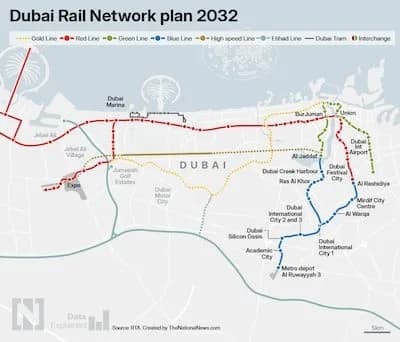
Infrastructure expansion
Capital inflows
Government support
These things do not switch off overnight.
Final Thought
This stimulus package is not about saving the market.
It is about strengthening it.
Dubai is showing, once again, that it is willing to act early, support its economy, and position itself ahead of the curve.
For investors, the question is simple.
Do you wait for everything to feel comfortable
Or do you understand what is actually happening beneath the surface
Because the two rarely line up.