- The UAE is investing Dh6 billion into a new federal highway project
- The highway will stretch approximately 68 km across multiple emirates
- It will feature six to eight lanes in each direction
- Ten major interchanges and four flyovers are planned
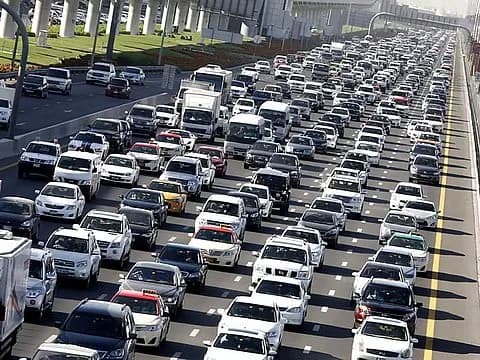
- The project aims to reduce congestion and improve traffic flow
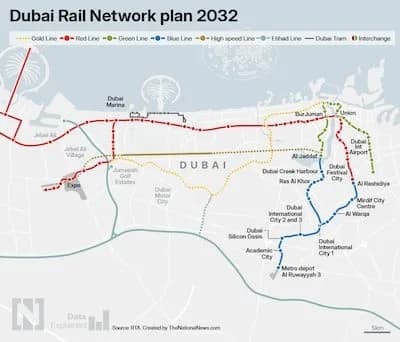
- A new mass transit network will connect Dubai, Sharjah, and Ajman
- The transit system will include ten main routes with dedicated bus lanes
- Infrastructure upgrades are driven by rapid population growth
- Existing roads including E11, E311, and E611 will be expanded
- The wider plan supports the UAE’s long term vision for sustainable mobility
What happens when a country that already leads in infrastructure decides to double down?
That is exactly what we are seeing right now in the UAE.
A Dh6 billion federal highway. A brand new mass transit system linking three major emirates. And a wider infrastructure plan that quietly signals something far bigger than just roads and transport.
This is not just about reducing traffic.
This is about shaping where people live, how cities expand, and ultimately where property values move next.
Let’s break it down properly.
A New Artery for Growth
At the centre of this announcement is the Fourth Federal Highway. A 68 kilometre corridor designed to ease pressure across the existing road network and connect key economic zones more efficiently.
On paper, it sounds straightforward.
More lanes. More interchanges. Better traffic flow.
But what this really means is something investors need to pay attention to.
Infrastructure like this does not get built in isolation. It follows demand. And more importantly, it creates new demand.
We have seen this before in Dubai.
Every time a major road, metro line, or transport corridor is introduced, certain areas shift from overlooked to high demand. Accessibility improves. Travel times drop. And suddenly locations that were once considered secondary become viable for both end users and investors.
This highway is expected to do exactly that, but on a larger scale.
The Bigger Picture: Population Growth Driving Everything
Here is the key point many people miss.
This is not a reactionary project. It is proactive.
The UAE is building ahead of demand.
Population growth across Dubai and the Northern Emirates continues to rise. More residents. More businesses. More movement between emirates.
And that creates pressure on infrastructure.
The government’s response is not to wait until congestion becomes a problem. It is to stay ahead of it.
That is a very important signal for investors.
Because it shows confidence in long term growth.
Why This Matters for Property Investors
Let’s get straight to the part you care about.
What does this mean for property values?
There are three key impacts.
1. Expansion of viable residential areas
As connectivity improves, areas further from central Dubai become more attractive. Shorter commute times make them practical for end users. That drives rental demand and long term price growth.
2. Increased demand around transport links
Properties close to major interchanges, transit hubs, and key routes tend to outperform over time. This is not theory. It is a pattern seen globally.
3. Strengthening of inter emirate living
More people will live in Sharjah or Ajman and work in Dubai. That shifts demand across multiple markets, not just one city.
What this really means is the investment map is expanding.
Mass Transit: The Quiet Game Changer
Alongside the highway, there is another development that deserves just as much attention.
A proposed mass transit network linking Dubai, Sharjah, and Ajman.
Ten routes. Dedicated lanes. Direct links to metro stations and city centres.
This is a serious step.
Because it reduces reliance on private vehicles and creates a more integrated urban system.
For investors, this is where things get interesting.
Transport accessibility is one of the strongest drivers of rental demand. If tenants can move easily between work and home, they are more willing to live further out.
And that unlocks entirely new zones for growth.
Existing Roads Are Also Being Upgraded
It is not just about new projects.
The UAE is also investing heavily in existing infrastructure.
Sheikh Mohamed bin Zayed Road is being expanded. Emirates Road is increasing capacity. Al Ittihad Road is being upgraded significantly.
These are not small changes.
We are talking about capacity increases of up to 65 percent and major reductions in travel time.
So while the new highway grabs headlines, the real story is the combined effect of all these improvements.
The entire network is being upgraded.
A Shift Towards Smarter Mobility
There is another layer here that is worth mentioning.
This is not just traditional infrastructure.
The focus is clearly shifting towards smart and sustainable mobility.
Better traffic systems. Reduced emissions. More efficient movement of people and goods.
This aligns with the broader national vision.
And again, it reinforces confidence in long term planning.
What Smart Investors Will Do Next
This is where strategy comes in.
Most people will read headlines like this and move on.
Smart investors will ask a different question.
Where will demand shift next?
Because infrastructure creates opportunity, but only if you are positioned early.
Here are a few things to think about.
Areas currently seen as secondary may not stay that way
Locations with improving connectivity often see stronger growth over time
Projects near future transport links tend to benefit the most
And importantly
Timing matters
By the time everything is built and obvious, the opportunity has already moved.
The Reality Check
Let’s keep this grounded.
This is a long term play.
Infrastructure projects like this do not change markets overnight.
But they do shape the direction of growth over the next five to ten years.
And that is exactly how serious investors think.
Why Dubai Continues to Stand Out
There is a bigger message here beyond just one project.
Dubai is not slowing down.
While other markets hesitate, Dubai continues to invest, build, and expand.
That consistency matters.
Because it creates confidence.
And confidence drives capital.
A Final Thought
If you strip everything back, this is what we are really looking at.
A government that is planning ahead
A population that is growing