- 12km pedestrian walkway and 5km cycling track planned in Al Ras
- Connects key heritage sites including Al Fahidi Fort and Al Shindagha
- Integrated with 11 metro, bus and marine transport stations
- Part of Dubai Urban Plan 2040 and 20 minute city vision
- Supports Dubai Quality of Life Strategy 2033
- 10 artistic spaces to be developed with local and Emirati artists
- Includes shaded walkways, seating areas and green spaces
- Designed to improve first and last mile connectivity
- Wider masterplan includes 6000km of walkways across 160 areas
- Target to increase walking and soft mobility from 16 percent to 25 percent by 2040
What if the next major driver of property value in Dubai was not a tower, not a branded residence, but something far simpler… a walkway?
That is exactly what we are looking at with the newly announced Al Ras section of the Dubai Walk Master Plan. On the surface, it reads like a lifestyle upgrade. In reality, it is something far more strategic and far more important for long term investors.
Let’s break it down.
The Bigger Picture Most Investors Miss
Dubai has made its position very clear. The city is not just building vertically anymore. It is now engineering how people move, live and interact at ground level.
The Al Ras project is the first phase of a much larger ambition. A 12 kilometre pedestrian corridor paired with 5 kilometres of cycling tracks, connecting some of the most historic parts of the city.
Now here is where it gets interesting.
This is not being built in isolation. It sits within a broader framework that includes over 6000 kilometres of walkways across 160 areas by 2040.
That is not a beautification project. That is a complete shift in how Dubai functions as a city.
From Car City to Walkable City
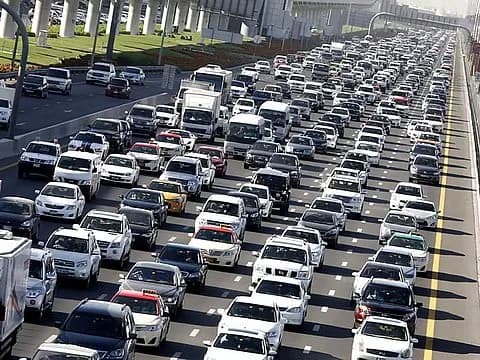
Dubai has long been known as a car driven city. Wide roads, long distances, limited pedestrian infrastructure.
That narrative is changing.
The government is now actively targeting a jump in walking and soft mobility from 16 percent today to 25 percent by 2040.
What this really means is that districts which were once purely transit zones are being repositioned as liveable, walkable communities.
And when that happens, property values tend to follow.
Why Al Ras Matters More Than You Think
Al Ras is not Downtown. It is not Dubai Marina. It is not a headline location for investors today.
But that is exactly why this matters.
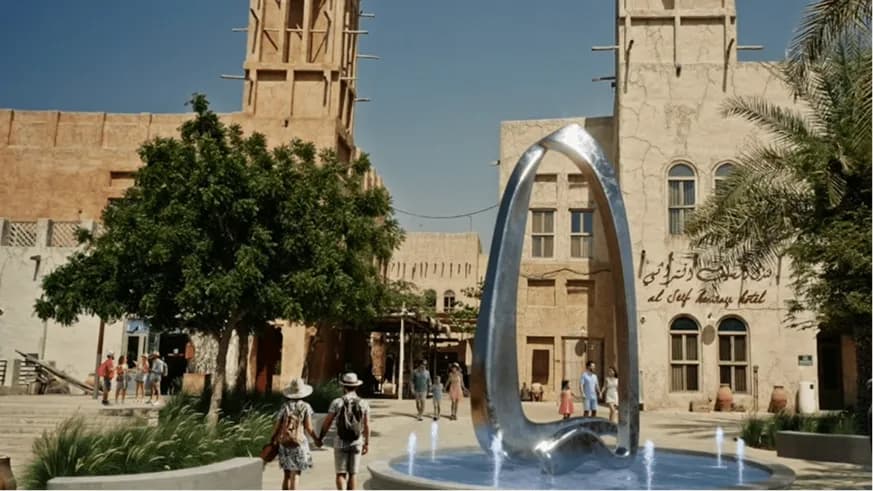
The walkway connects heritage landmarks like Al Fahidi Fort, Sheikh Saeed Al Maktoum House and Al Shindagha.
These are not just tourist sites. They represent cultural depth, identity and authenticity. Three things that global cities are now actively trying to preserve and monetise.
When you combine that with improved access, better public spaces, and direct integration with transport, you start to create something powerful.
You create footfall.
And footfall drives demand.
The Transport Integration Play
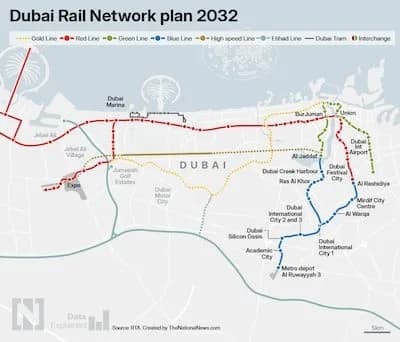
One of the most underrated aspects of this project is its integration with 11 transport stations across metro, bus and marine networks.
This solves what is often called the first and last mile problem.
In simple terms, it makes public transport usable.
For investors, this is critical.
Properties that sit within easy, pleasant walking distance of transport nodes tend to see stronger rental demand, better tenant profiles and more resilient long term value.
It is not speculation. It is a pattern seen in every mature global city.
Lifestyle Infrastructure is Value Infrastructure
Here is the shift that many investors still underestimate.
Infrastructure is no longer just roads and bridges. It is lifestyle.
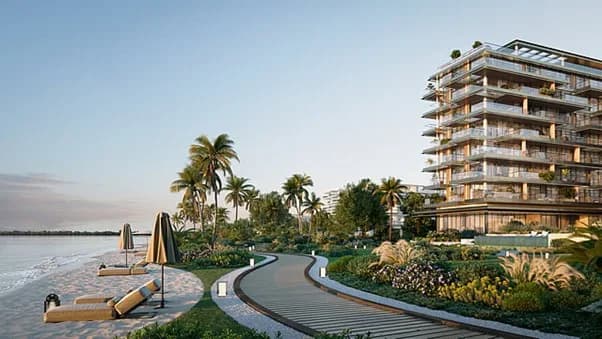
The Al Ras project includes shaded walkways, green spaces, seating areas and artistic installations created with local artists.
On paper, that sounds cosmetic.
In reality, it changes how long people stay in an area, how often they return, and how much they spend.
This is how districts evolve from pass through locations into destinations.
And once that happens, property follows.
The 20 Minute City Concept
This project directly supports Dubai’s 20 minute city vision. The idea that residents should be able to access most daily needs within a short journey.
Over 80 percent of essential services are targeted to be reachable within 20 minutes.
This is not just about convenience.
It is about creating self sufficient micro economies within the city.
For overseas investors, this reduces reliance on any single district or economic driver. It spreads demand and strengthens overall market stability.
What This Means for Investors Sitting Overseas
If you are looking at Dubai purely through the lens of price per square foot, you are missing the point.
The real opportunity lies in understanding where infrastructure is going before the market fully prices it in.
Projects like this do three things:
They increase liveability
They improve connectivity
They create long term desirability
And those three factors are what drive sustained capital growth.
It is not about short term spikes. It is about positioning.
A Quiet Signal of Market Maturity
There is a bigger message here.
Dubai is moving into its next phase of maturity.
Early cycles were about rapid development. Build fast, scale quickly.
This phase is different.
It is about refinement. Integration. Quality of life.
And historically, cities that make this transition successfully tend to see stronger and more stable property markets over the long term.
So Where Should You Be Looking?
This is where strategy matters.
You do not need to buy in Al Ras itself to benefit.
But you do need to understand how these infrastructure corridors ripple out into surrounding districts.
Areas connected to transport nodes, cultural hubs and lifestyle infrastructure tend to outperform over time.
The key is identifying those links early.
Final Thought
Everyone focuses on the skyline. The towers. The launches.
But the real story in Dubai right now is happening at street level.
Walkways. Connectivity. Liveability.
That is where the next layer of value is being built.
And if you are serious about investing here, that is exactly where you should be paying attention.